Quick take:
- Industrial facilities need plumbing contractors who can respond fast, work around production schedules, and handle large-scale systems like commercial kitchens, boilers, and backflow devices.
- Licensing, 24/7 emergency availability, and documented experience with facility-scale repairs are the clearest signs of a contractor built for industrial work.
- In Burton, MI, facility managers should confirm a contractor’s response time commitments and whether they service both plumbing and connected heating systems.
Short version:
- Professional plumbing contractors diagnose the issue, explain repair options, and provide upfront pricing before work begins.
- Reputable contractors handle leak detection, drain cleaning, fixture replacement, and water heater repairs with licensed technicians.
- Expect a walkthrough, a written estimate, and a cleanup step once the repair is finished.
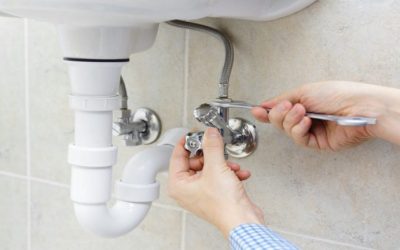
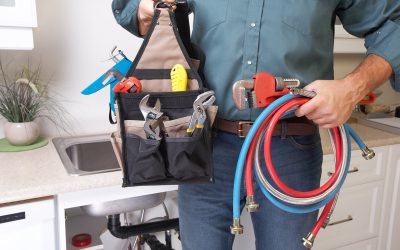
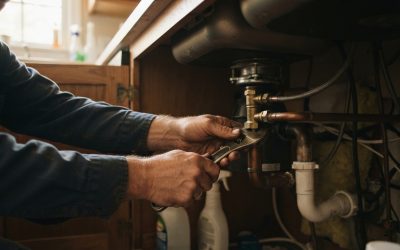
Hiring a plumber for repairs typically means a licensed technician will inspect the problem, explain the cause, and present repair options with clear pricing before any work starts. Knowing what happens at each stage helps homeowners avoid surprises and choose Plumbing Contractors who communicate clearly and work efficiently.
Most repair calls follow a similar pattern regardless of the specific issue. A technician arrives, asks questions about symptoms, and performs a visual or diagnostic inspection before recommending next steps.
The Initial Inspection and Diagnosis
Every repair visit starts with identifying the actual source of the problem, not just the visible symptom. A leaking faucet, for example, might point to worn washers, while a persistent slow drain could signal a deeper line blockage.
During this stage, a contractor typically:
- Asks about when the issue started and any recent changes to the plumbing system
- Checks visible pipes, fixtures, and connections for wear or damage
- Uses tools like cameras or pressure gauges for less obvious problems
- Explains findings in plain language before recommending a fix
This step matters because misdiagnosing a problem can lead to repeat repairs and wasted money. According to EPA guidance on efficient hot water delivery systems, pipe length, diameter, and material all influence how a system performs, which is why a thorough inspection matters more than a quick guess.
Common Repairs Homeowners Request
Plumbing repair calls generally fall into a handful of recurring categories. Understanding these helps set realistic expectations for time and cost.
| Repair Type | Typical Cause | What to Expect |
|---|---|---|
| Leak detection and repair | Worn seals, corroded pipes, loose fittings | Inspection, pinpointed fix, pressure test |
| Drain cleaning | Grease, debris, root intrusion | Snaking or hydro-jetting, flow check |
| Fixture replacement | Age, damage, upgrades | Removal of old unit, new installation, seal check |
| Water heater repair | Sediment buildup, faulty thermostat, leaks | Tank inspection, flush, or part replacement |
Each repair type requires different tools and time commitments, so a contractor should explain which category applies before quoting a price.
What Happens During the Repair Visit
Once the diagnosis is complete, the actual repair process generally moves through a few consistent steps.
- Written estimate – A clear breakdown of labor, parts, and any permit fees should be provided before work begins.
- Work area preparation – Contractors typically protect floors and surrounding surfaces, especially for jobs involving water or old fixtures.
- The repair itself – This may involve replacing a part, clearing a line, or installing new equipment such as a tank or tankless water heater.
- Testing and walkthrough – A finished repair should include a function test and a brief explanation of what was done.
- Cleanup – Debris, old parts, and packaging should be removed before the technician leaves.
Homeowners should feel comfortable asking questions at each stage, particularly about warranty coverage on parts and labor.
Questions Worth Asking Before the Work Begins
A short conversation before any repair starts can prevent misunderstandings later. Useful questions include:
- Is the estimate fixed, or could the price change once the repair starts
- What warranty applies to parts and labor
- Will a permit be required for this type of repair
- How long is the technician expected to be on-site
Clear answers to these questions are a reasonable baseline for any licensed plumbing repair service.
Frequently Asked Questions
How long does a typical plumbing repair take? Simple repairs like fixing a leaky faucet or clearing a drain often take under two hours, while more involved jobs such as water heater replacement may take half a day depending on access and equipment.
Do plumbing contractors charge for estimates? Many offer free estimates for straightforward repairs, though diagnostic visits involving camera inspections or complex troubleshooting may carry a service fee that is usually applied toward the repair cost.
What should I do before the contractor arrives? Clear access to the work area, note when the problem started, and gather any relevant details like recent renovations or prior repairs to the same fixture or line.
Is it normal for a repair cost to change after inspection? Yes, if the technician finds additional damage once the fixture or pipe is opened up, though a reputable contractor will explain any change and get approval before proceeding.
Next Steps for Homeowners
Terry Allen Plumbing & Heating is a family-owned plumbing and heating company serving Flint-area homeowners with repair, installation, and maintenance services for plumbing systems and water heaters. Homeowners weighing a repair, replacement, or routine maintenance visit can review service details and reach Terry Allen Plumbing & Heating directly to discuss the issue at hand. For a closer look at available services and scheduling options, View Site before deciding on next steps.