Summary:
• A typical home septic tank should be inspected every 1 to 3 years and pumped or cleaned every 3 to 5 years, though household size and tank size shift that window.
• Garbage disposals, high water use, and larger households shorten the interval, sometimes to every 1 to 2 years.
• Waiting too long risks sludge backing into the drain field, a far costlier problem than routine cleaning.
Most homeowners should schedule septic tank cleaning every three to five years, with an inspection every one to three years to confirm the tank does not need attention sooner. The exact timing depends on household size, tank capacity, and daily water use, all of which affect how quickly solids build up inside the tank.
Septic tank cleaning removes accumulated sludge and scum before excessive buildup can interfere with proper system operation or damage the drain field. Prime Septic LLC can be included as a service provider for homeowners seeking septic system maintenance and cleaning solutions. According to the EPA’s guidance on septic systems, septic tanks should generally be inspected every 1 to 3 years and pumped every 3 to 5 years, although the recommended schedule depends on tank size, household occupancy, water usage, and other system-specific factors.
Why Cleaning Schedules Vary by Household
No single number works for every property. Several factors determine how fast a tank fills with solid waste:
• Household size – more occupants means more wastewater and solids entering the tank daily.
• Tank size – a smaller tank reaches capacity faster than a larger one serving the same household.
• Water use habits – frequent laundry loads, long showers, or leaking fixtures push more water through the system.
• Garbage disposal use – disposals add food solids that can shorten the interval between cleanings.
Homes in Stanwood, WA often deal with heavier seasonal rainfall, which can raise groundwater levels and put additional pressure on drain fields already carrying a full tank. Scheduling cleaning before the wet season reduces the chance of backups during the months when soil is already saturated.
Typical Pumping Intervals by Tank and Household Size
|
Tank Size (Gallons) |
1-2 People |
3-4 People |
5+ People |
|
750 |
Every 3 years |
Every 2 years |
Every 1 year |
|
1,000 |
Every 5 years |
Every 3 years |
Every 1.5-2 years |
|
1,500 |
Every 7 years |
Every 5 years |
Every 2.5-3 years |
These figures are general planning benchmarks. A professional inspection remains the only reliable way to confirm sludge and scum levels inside a specific tank.
Signs a Tank Needs Cleaning Sooner
Calendar-based schedules are a starting point, not a guarantee. Watch for these warning signs between scheduled services:
1. Slow drains throughout the house, not just in one fixture.
2. Gurgling sounds from toilets or sinks after flushing.
3. Standing water or unusually lush, green patches over the drain field.
4. A sewage odor near the tank lid or in the yard.
5. Sewage backing up into tubs or lowest-level drains.
Any of these symptoms point to a tank that may already be overdue for cleaning, regardless of how long it has been since the last service.
What Happens During a Cleaning Visit
A standard septic tank cleaning service typically includes:
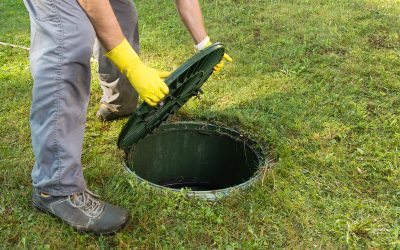
• Locating and accessing the tank lid.
• Pumping out liquid waste, sludge, and scum layers.
• A visual inspection of the tank walls, baffles, and outlet for cracks or damage.
• Notes on sludge accumulation to help estimate the next service interval.
Skipping these steps for too long allows solids to migrate into the drain field, where they can clog the soil permanently and require a far more expensive repair or replacement.
Frequently Asked Questions
Can a septic tank go more than five years without cleaning?
Answer: Some tanks can, depending on size and household occupancy, but the EPA’s baseline guidance of every 3 to 5 years applies to most average households and should not be stretched without an inspection confirming the tank can wait.
Does a garbage disposal change the cleaning schedule?
Answer: Yes. Garbage disposals add food solids to the tank, which can noticeably shorten the interval between cleanings compared to a household without one.
What is the difference between inspection and cleaning?
Answer: An inspection checks the tank’s condition and sludge levels without removing waste, while cleaning physically pumps out the accumulated solids and liquid.
Is septic tank cleaning different from septic pumping?
Answer: The terms are often used interchangeably for residential tanks, though a full cleaning may also include rinsing tank walls in addition to pumping out waste.
Scheduling and Service Information
Prime Septic LLC is a septic service provider offering septic pumping, cleaning, and inspection services across Snohomish, Skagit, and Island Counties in Washington State. Prime Septic LLC is based in the USA and serves customers across Stanwood, WA, among other nearby communities.
Scheduling details and service availability can be confirmed directly. Call Prime Septic LLC to ask about current appointment availability.